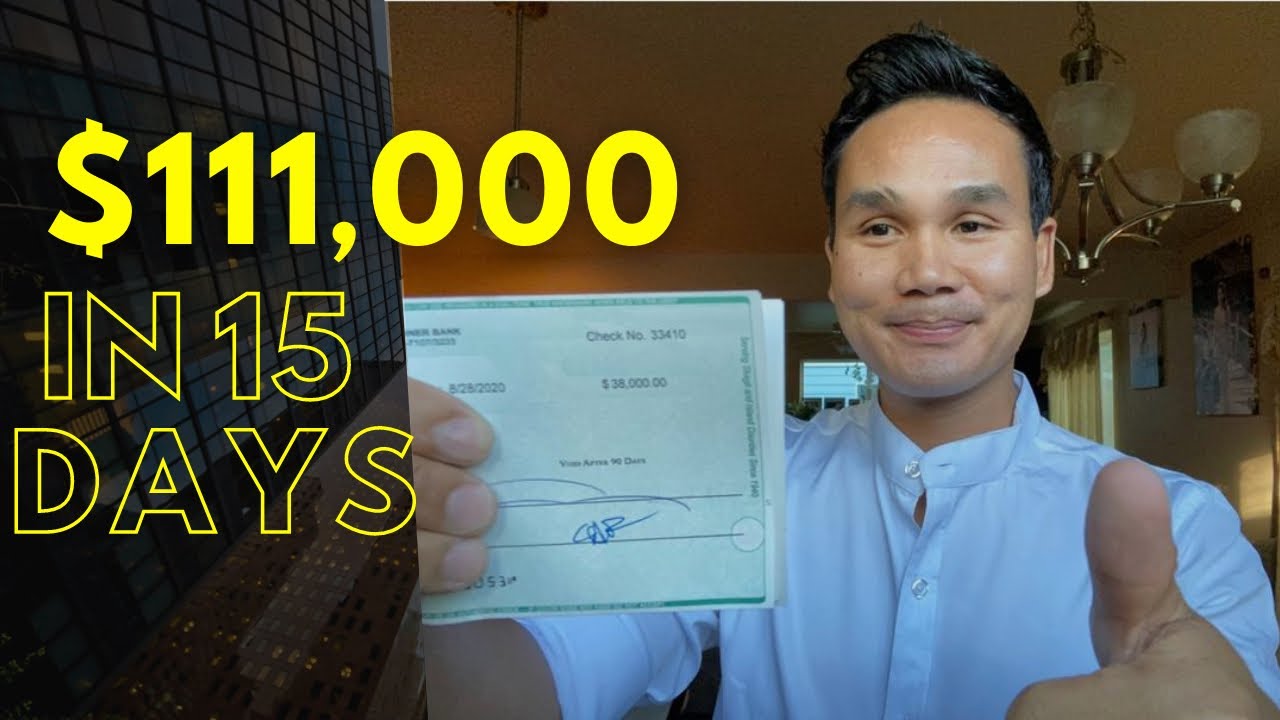
Getting Started with Wholesaling Houses 101
Wholesaling houses gives beginners an immediate foothold in the property market, centered around minimal upfront costs that yield rapid profits, yet grounded in strong bargaining and area-specific data insights. By following these steps, one captures a deal for less than the going rate, and then assigns the purchase rights to an end buyer for a fee, essentially bridging the gap between distressed owners and opportunistic investors. Achievement relies on uncovering undervalued homes in promising locales, allowing the investor to capture profit via swift contract flips. In the same way, knowledge of neighborhood dynamics secures reliable post-renovation projections, yielding outcomes in which all parties feel the arrangement is fair These fundamentals compose the primary pillars for profitable wholesaling, directing participants to locate, bargain, and close transactions efficiently, while mitigating risks through informed decision-making at each stage. Overall, wholesaling houses 101 arms newcomers with a rapid method for property returns, provided they keep up with integrity, vigilance, and consistent pursuit of valuable deals.
Numerous newcomers see wholesaling as ideal since minimal cash is needed, since large down payments aren’t necessary to lock in a distressed property under contract, nor do credit histories often create insurmountable obstacles compared to conventional investments. Conversely, triumph depends on forging connections to spot off-market leads swiftly, plus effective deal-making that convinces homeowners to settle on below-listing prices. Experts emphasize ongoing promotion via targeted letters, social media posts, and industry gatherings, so that an unending pipeline of leads emerges, where speed matters more than market time. Resources from WholesalingHousesInfo.com real estate investing blog often aid newbies with step-by-step strategies and proven tactics. Insight gained there frequently simplifies the learning curve and prevents common mistakes, letting them steer clear of errors such as inflating after-repair values, downplaying renovation costs, or setting unrealistic deadlines. Consistent determination and endurance prove essential, given many opportunities never pan out fully, but those that close can yield surprisingly large returns for the energy involved.
Key Stages of a Wholesaling Transaction
In the beginning, uncovering discounted listings forms the primary gateway to a wholesaling deal, usually entailing investigating distressed occupant rosters, inheritance property lists, or vacant landlord data to spot undervalued deals. Then, reaching out to sellers and assessing how quickly they want to move typically shapes contract discussions, creating circumstances where an attractive discount in exchange for swift finalization wins them over. Finalizing an agreement to buy with explicit assignment provisions solidifies the flipper’s foothold, yielding the ability to hand over that purchase authority to another party ready with cash or financing, and netting the wholesaler a fee that represents the difference between the contract price and what the end buyer agrees to pay. These transference clauses typically have expiration dates, meaning swift promotion and buyer engagement is key, avoiding a scenario where the contract lapses or the homeowner grows impatient with delays. In the end, using legal escrow or settlement services secures that every signature and payment is handled properly, bringing transparency and security to each stakeholder, lowering the chance of chaotic surprises.
Throughout these steps, the wholesaler’s chief focus is to maintain transparency and fairness, since a trustworthy reputation fosters future business prospects and consistent referrals. Whether utilizing direct mail campaigns, driving for dollars, or tapping into networking events, consistent lead generation remains non-negotiable for pipeline health, while advanced CRM systems ensure those leads receive thorough follow-ups, segmenting them by urgency or property type for best results. Reviewing neighborhood data and estimating property upgrades halts inflated purchase amounts that can sabotage your margins or deter back-end buyers, so discipline in these calculations underpins successful deal structuring from the start. drives deeper exploration of strategies and best practices that complement your day-to-day efforts, ensuring you remain a step ahead in a market that rewards preparedness and quick execution.
Discover more about wholesaling houses, visit: real estate investor database software
Negotiation and Relationship Building
Effective negotiation encompasses empathetic listening and clear value propositions, creating an outcome that meets mutual core goals, rather than forcing a one-sided arrangement that benefits only you. Constructing a connection implies recognizing homeowner difficulties and repeatedly showcasing reliability, paving the way for quicker sign-offs and fewer abrupt cancellations. Meanwhile, identifying the end buyer’s investment goals—like fix-and-flip, buy-and-hold, or rental strategies—ensures you match them with the right properties, boosting your reputation as a knowledgeable wholesaler who consistently delivers suitable opportunities. Sustained achievement arises from keeping a robust roster of proven investors or affiliates who execute deals efficiently, because any dip in demand leaves quality agreements stranded without a final taker. Communication remains key: promptly disclosing any property flaws or contract updates fosters loyalty and ensures realistic expectations.
In higher-stakes talks, many professionals practice dialogues through mock sessions, allowing them to sharpen their pitch and manage seller resistance effectively. Still, authenticity matters most, as sellers often respond better to genuine concern than pushy sales tactics. Regular pings, by phone or message, signal your commitment and readiness to seal the contract, stopping them from seeking alternative solutions or doubting your seriousness. Clarity over your margin, scheduling, and terms avoids major friction before funds are exchanged. Partnering with settlement professionals or advisors helps curb contractual snags, granting security that the procedure respects all formalities and remains steady through the final transfer.
How to Address Typical Obstacles in Wholesaling
A common snag surfaces if after-repair values are inflated, eroding margins and discouraging investor interest, forcing the transaction to collapse or requiring a hurried rework that eats into your fee. By the same token, a fraction of homeowners reject cut-rate bids due to sentimental connections overshadowing realistic market assessments, hence furnishing solid data and itemized rehab forecasts offers credibility to your stance. Regional statutes or shifting restrictions occasionally catch novices off guard, therefore necessitating a legal expert or seasoned partner to guide compliance with those rules, avoiding contract voidances, fines, or reputational harm that might arise from unknowingly violating statutes. Financing obstacles emerge if the end buyer struggles to secure funds, delaying or jeopardizing closing, so keeping an alternate roster of potential purchasers or targeting liquid parties offers fallback stability. Rivals in your region might push offers higher, shrinking your spread if you only chase razor-thin leads, therefore focusing on overlooked regions or stepping up your direct leads can keep you competitive.
A percentage of novices hurry to flip agreements lacking clarity on the investor’s actual aims, resulting in broken transactions or friction with partners as misunderstandings emerge. Patience, while still crucial, must be balanced with a sense of urgency to lock down deals swiftly before sellers lose interest or buyers move on, where striking the right equilibrium frequently distinguishes top performers from one-hit wonders. speedily links you to broader knowledge that can fortify your property strategies, ensuring no stone remains unturned in your quest for successful real estate ventures. Finally, a cycle of personal growth, real-time adjustments, and better persuasion tactics cements your ability to conquer roadblocks.
Expanding Wholesaling Networks Strategically
Central to success in this sector is cultivating a database of repeat investors who can close fast, thus limiting the risk of cancellations or drawn-out negotiations that could derail the entire deal. Engaging in meetups, social platforms, or professional associations broadens such lead pipelines, and regular outreach ensures you remain a primary contact when they seek fresh acquisitions. When growing bigger, sorting investors by property type—like heavy rehab or turnkey—improves matching success, thus generating laser-focused promotions that talk directly to each investor category. Auto-systems facilitate controlling these rising networks, deploying timed notifications or SMS to highlight fresh listings, preventing the surge of incoming leads from drowning you in clerical tasks. Shifting time-consuming roles—like local home checks or promotional creation—grants space for bigger-picture thinking, whereby you can expand into new neighborhoods, build joint ventures, or refine advanced negotiation tactics. Tracking metrics such as average contract fee, deal velocity, and marketing ROI reveals how well your scaling efforts are working, leading to swift modifications whenever certain plans fail or preferences evolve. Sustainable growth requires alliances with dependable rehabbers or broker contacts who confirm home statuses quickly, ensuring your projected ARVs remain accurate and your end buyers feel confident about estimated costs.
A carefully cultivated reputation draws more repeat deals, referrals, and even passive leads from satisfied buyers or sellers, so ensuring positive experiences at every transaction phase fosters growth that endures beyond short-term market cycles. When systematically ramping up, you minimize hazards and preserve excellence in your ever-multiplying transactions, thus enabling you to withstand slumps yet seize booms without panic or disarray Eventually, an extensive buyer’s list and a dependable network lay the groundwork for exploring other investment avenues like fix-and-flips or rental portfolios, turning wholesaling from a starting point into a gateway for broader real estate success. Ultimately, forging a prospering business calls for systematic progression, balanced resource allocation, and a steadfast dedication to producing win-win solutions.
To learn more about wholesaling houses 101, visit: home flipping software
Building an Enduring Wholesaling Career
Ongoing learning about neighborhood shifts, legal changes, and finance methods maintains your standing in a competitive domain, because the housing sector may shift abruptly, mainly under monetary adjustments that affect supply and demand. Collaborating with peers, heading to conferences, or subscribing to group coaching fosters synergy, novel concepts, and often co-projects, extending your scope beyond personal guesswork alone. directs you into a richer set of blueprints and success stories to enhance your modus operandi, guaranteeing continuous evolution instead of developmental plateaus. Though you accumulate expertise, a willingness to accept criticism reveals blind spots or untapped potential, allowing upgrades in your workflow that sustain agility, foresight, and readiness for unfamiliar territory. Spreading your efforts—through estate sales, municipal auctions, or alternative building classes—avoids fixating solely on a single pipeline, defending you from instant market alterations that threaten your usual wellspring of prospective listings. Finally, a long-term outlook means viewing each deal not just as a payday, but as a foundation for stronger networks, refined negotiation skills, and expanded expertise, allowing wholesaling houses 101 to grow into an enduring venture that adapts gracefully to whatever the market brings next.