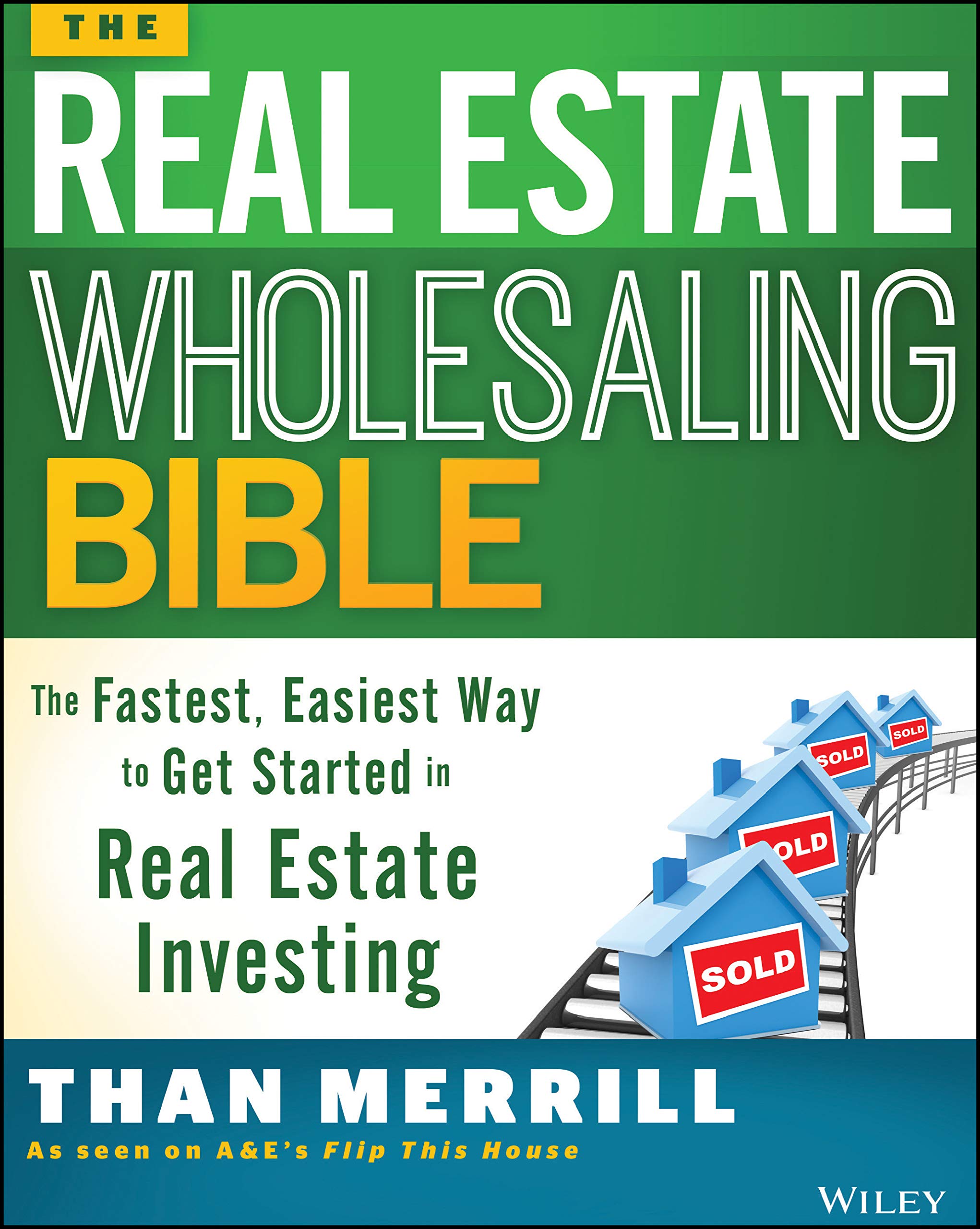
Exploring the Legitimacy of Wholesaling Houses
Wholesaling houses has become a popular strategy among real estate investors, but many wonder about its legitimacy. This article aims to shed light on the legality and ethical considerations of wholesaling in real estate. Knowing the legal framework helps you navigate wholesaling responsibly. The discussion will provide insights into conducting wholesaling activities lawfully and ethically. So, let's begin our exploration into whether wholesaling houses is a legitimate investment strategy. This information is valuable for anyone considering wholesaling as part of their investment portfolio. You'll be better prepared to decide if wholesaling aligns with your investment goals and values.
Wholesaling involves securing a property under contract and assigning that contract to another buyer for a profit. Because you don't purchase the property, the financial barriers to entry are low. Understanding the legal and ethical aspects is essential to ensure wholesaling is conducted legitimately. We'll incorporate guidance from WholesalingHousesInfo.com to enhance our discussion.
What Is Wholesaling in Real Estate?
Wholesaling houses involves finding properties below market value and entering into a purchase agreement with the seller. The wholesaler does not intend to purchase the property but instead sells their contractual rights for a profit. This strategy requires minimal capital investment and can yield quick returns. Understanding this process is crucial to assessing its legitimacy and legality. Clarifying these differences aids in understanding the legal nuances of wholesaling. By comprehending the fundamentals, you can better navigate the complexities surrounding wholesaling. When done correctly, wholesaling aligns with real estate laws and regulations.
The process starts with identifying distressed properties or owners eager to sell quickly. Building relationships with buyers ensures a smooth and efficient transaction process. Clear communication fosters positive relationships and ethical dealings. It's important to use contracts that allow assignment to avoid legal complications. Following established procedures ensures your wholesaling activities are above board. Seeking knowledge from seasoned professionals helps navigate the wholesaling process.
Discover more about real estate investing, visit: real estate investor lead generation software
The Legal Framework of Real Estate Wholesaling
People often wonder if acting as a wholesaler requires a real estate license. In most jurisdictions, wholesaling is legal as long as you have a contractual interest in the property. Misrepresenting your role can lead to legal issues and allegations of acting as an unlicensed agent. Some states have specific regulations that limit or govern wholesaling activities. Legal documentation should clearly state your right to assign the contract to another party. Consulting with a real estate attorney can help you navigate the legal requirements in your area. By adhering to legal guidelines, wholesaling can be conducted legitimately and successfully.
Understanding the difference between acting as a principal and acting as an agent is crucial. Always inform all parties of your role and intentions to avoid misunderstandings. These actions might include specific contract language or adherence to advertising regulations. Proper documentation is a safeguard against potential legal challenges. Regularly reviewing and updating your knowledge of real estate laws is beneficial. Leveraging knowledge shared by experienced investors enhances your legal compliance.
The Ethics of Wholesaling Houses
Ethical conduct is vital for long-term success and credibility in the real estate industry. It's important to approach transactions with fairness and transparency to mitigate these concerns. Transparency with all parties involved ensures mutual understanding and trust. Ensuring that sellers understand the terms and conditions of the contract is crucial. Honesty about your capabilities strengthens your reputation and ethical standing. Professional conduct reflects positively on you and the wholesaling community. Ethics play a significant role in establishing wholesaling as a respectable practice.
Building long-term relationships is more beneficial than seeking short-term gains. Empathy and understanding can set you apart from less scrupulous investors. Transparency extends to buyers as well; disclose all relevant information about the property. Adhering to established codes of conduct reinforces your commitment to ethics. Continuous improvement in ethics strengthens your wholesaling business. Learning from others' experiences enhances your ethical practices.
Debunking Myths Around Wholesaling Houses
Misunderstandings about the process lead to unfounded concerns about legality. Compliance with laws dispels the notion that wholesaling is unlawful. Another myth is that wholesalers need a real estate license to operate. Confusion often arises between wholesaling and acting as a real estate agent without a license. There's a belief that anyone can wholesale successfully without effort. Awareness of the facts enables you to navigate the wholesaling landscape with confidence. Clarifying these misunderstandings contributes to the overall acceptance and legitimacy of wholesaling.
False beliefs may prevent individuals from benefiting from this strategy. Educational content from trusted sources provides clarity and understanding. Community engagement promotes accurate knowledge sharing and support. Recognizing that wholesaling requires effort and professionalism sets realistic expectations. By addressing these misconceptions head-on, you strengthen the legitimacy of wholesaling. Knowledge sharing elevates the entire industry and its participants.
Best Practices for Legitimate Wholesaling
Contracts should unambiguously state assignment rights and terms. Transparency about your position builds trust and avoids legal issues. Stay informed about local laws and regulations affecting wholesaling in your area. Work with real estate professionals, such as attorneys and licensed agents, when necessary. Treat sellers and buyers fairly, offering reasonable terms and honoring your commitments. Avoid making unrealistic promises or misrepresenting properties or your capabilities. Adherence to guidelines solidifies the lawful nature of your wholesaling.
Ongoing learning ensures your practices remain current and compliant. Community involvement enhances your knowledge and professional network. Implementing a systematic approach to your wholesaling business increases efficiency. Protecting the privacy of clients builds trust and demonstrates integrity. Responsiveness to feedback shows commitment to excellence and ethical practice. Thorough record-keeping supports transparency and accountability. Commitment to excellence elevates the perception of wholesaling in the industry.
Examples of Successful and Legitimate Wholesaling
There are numerous examples of wholesalers who operate legitimately and profitably. By connecting investors with properties needing rehabilitation, they contribute positively. Building a reputation for integrity leads to sustained success. Collaboration with licensed professionals enhances legitimacy and reach. Mutually advantageous transactions reinforce the legitimacy of wholesaling. These examples demonstrate that wholesaling houses is legitimate when conducted properly. Case studies provide valuable insights for aspiring wholesalers.
Identifying key factors in successful wholesaling guides your own practices. Commitment to excellence is a hallmark of legitimate and successful wholesalers. Lessons learned from others can help you navigate your own wholesaling journey. These stories demonstrate that legitimacy and profitability go hand in hand. Consider sharing your own experiences to contribute to the community and support others. Accessing these examples through reputable sources enhances your understanding and confidence.
Final Thoughts on Wholesaling Legitimacy
In conclusion, wholesaling can be a lawful and respectable practice in real estate. Understanding the legal requirements and maintaining transparency are key to legitimacy. Awareness and education mitigate risks and enhance legitimacy. Best practices pave the way for sustainable success in wholesaling. The strategy holds potential for those committed to legality and ethics. Consider exploring resources and communities dedicated to wholesaling for additional support. By upholding legality and ethics, you contribute positively to the real estate industry.
Dedication to these principles fosters long-term success and respect. Continued education through reputable platforms supports your wholesaling endeavors. Investing in your education pays dividends in your professional growth. Ethical success in wholesaling contributes to your personal and professional satisfaction. We encourage you to apply the insights from this article to your wholesaling journey. The path to legitimate wholesaling is clear when you commit to legality, ethics, and professionalism. Begin your journey today, confident in the legitimacy of wholesaling houses when done right.
For more information on real estate wholesaling, go to: real estate investor tools